Skip to content
PJB Pest Management Pro logo.
  • Home
  • About Us
  • Membership
  • Events
  • Topics
    • Business
    • Pest Management
      • Ants
      • Bed Bugs
      • Cockroaches
      • Fleas & Ticks
      • General Pests
      • Mosquitoes
      • Perimeter Pests
      • Rodents
      • Termites
  • Articles
  • Photos and Videos
  • CEU Courses
  • Books
  • Services
  • Blog
  • Non- Member Price list
  • Live Zoom Events
  • Contact
×
  • Home
  • About Us
  • Membership
  • Events
  • Topics
    • Business
    • Pest Management
      • Ants
      • Bed Bugs
      • Cockroaches
      • Fleas & Ticks
      • General Pests
      • Mosquitoes
      • Perimeter Pests
      • Rodents
      • Termites
  • Articles
  • Photos and Videos
  • CEU Courses
  • Books
  • Services
  • Blog
  • Non- Member Price list
  • Live Zoom Events
  • Contact
Merch
  • Home
  • About Us
  • Membership
  • Events
  • Topics
    • Business
    • Pest Management
      • Ants
      • Bed Bugs
      • Cockroaches
      • Fleas & Ticks
      • General Pests
      • Mosquitoes
      • Perimeter Pests
      • Rodents
      • Termites
  • Articles
  • Photos and Videos
  • CEU Courses
  • Books
  • Services
  • Blog
  • Non- Member Price list
  • Live Zoom Events
  • Contact
All Courses
Merch
Sign up
  • (770) 500-0460

0

Sign up

0

  • (770) 500-0460

PJB Pest Management Pro logo.
  • Home
  • About Us
  • Membership
  • Events
  • Topics
    • Business
    • Pest Management
      • Ants
      • Bed Bugs
      • Cockroaches
      • Fleas & Ticks
      • General Pests
      • Mosquitoes
      • Perimeter Pests
      • Rodents
      • Termites
  • Articles
  • Photos and Videos
  • CEU Courses
  • Books
  • Services
  • Blog
  • Non- Member Price list
  • Live Zoom Events
  • Contact
All Courses
Merch
Sign up
  • (770) 500-0460

0

Courses
Sign up

0

  • (770) 500-0460

  • paul@pjbpestconsultant.com

  • Home
  • About Us
  • Membership
  • Events
  • Topics
    • Business
    • Pest Management
      • Ants
      • Bed Bugs
      • Cockroaches
      • Fleas & Ticks
      • General Pests
      • Mosquitoes
      • Perimeter Pests
      • Rodents
      • Termites
  • Articles
  • Photos and Videos
  • CEU Courses
  • Books
  • Services
  • Blog
  • Non- Member Price list
  • Live Zoom Events
  • Contact
×
  • Home
  • About Us
  • Membership
  • Events
  • Topics
    • Business
    • Pest Management
      • Ants
      • Bed Bugs
      • Cockroaches
      • Fleas & Ticks
      • General Pests
      • Mosquitoes
      • Perimeter Pests
      • Rodents
      • Termites
  • Articles
  • Photos and Videos
  • CEU Courses
  • Books
  • Services
  • Blog
  • Non- Member Price list
  • Live Zoom Events
  • Contact
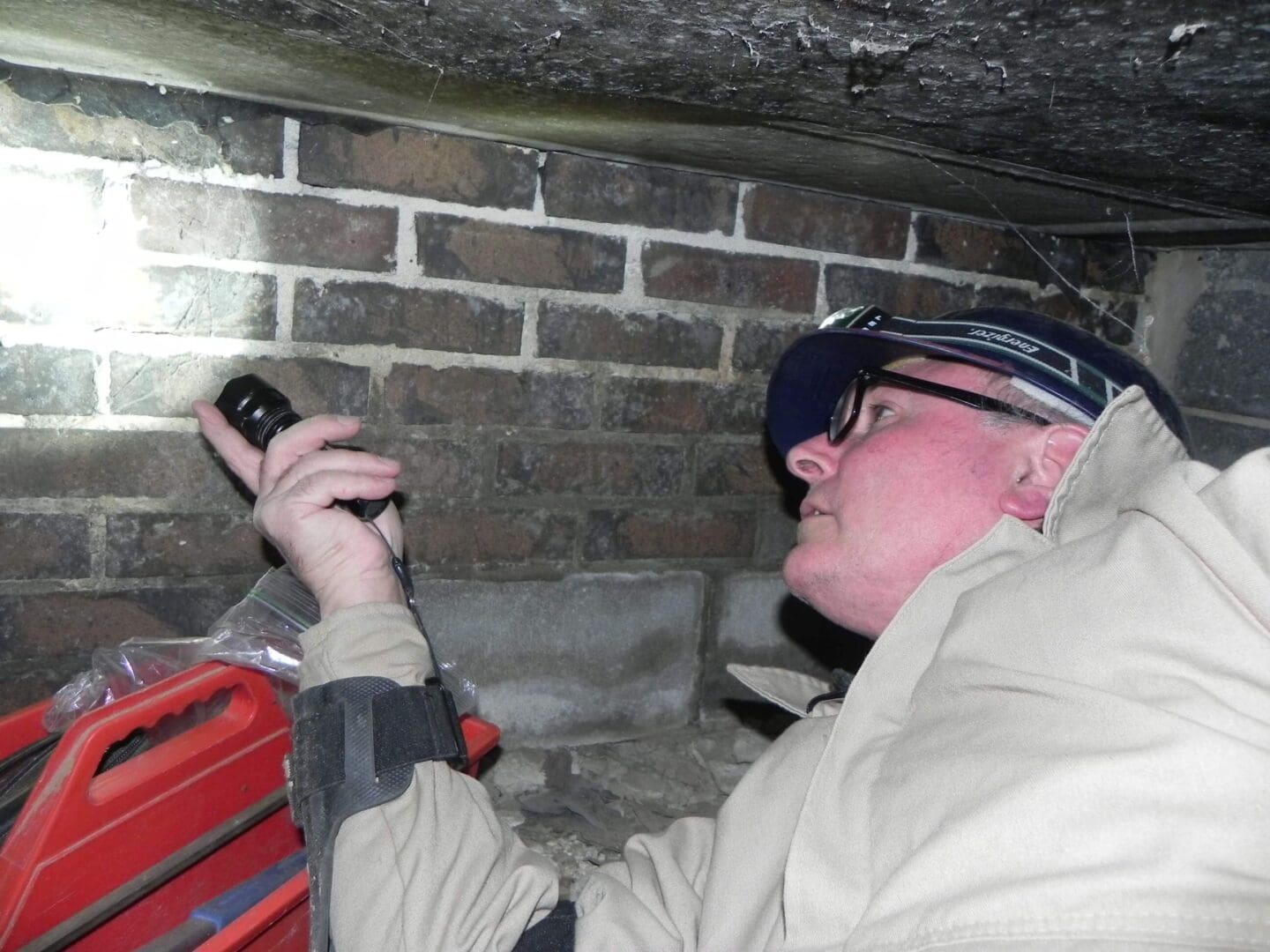
Person inspecting brick wall with flashlight.

Lighting, WDO and Pest Inspections . . .

12/26/2025 | PJB Pest Management Pro | Uncategorized

By:        Paul J. Bello

              ACE, BCE, MBA

Date:   June 7, 2019

No matter if you’re taking photos or conducting a WDO inspection, lighting is a critical and important factor which affects your success. There’s no doubt that Pest Professionals have always take pride in their flashlight of choice and experienced Pros always seem to have excellent flashlights. A social media post regarding the best flashlight available will elicit numerous responses as individuals each have their own preferences.

What we can all agree upon is that flashlight technology has significantly improved over the past few years thanks to LED (Light Emitting Diode) technology. Pest and other Professionals have benefitted from the significant reduction in the cost of flashlights. Today powerful flashlights of, say, 300 lumens or greater, have become affordable for all. Assuredly the modern LED type unit is far superior in many ways to your Dad’s flashlight and, pardon the pun, light years ahead of your Grand Dad’s D-cell unit.

However, even if we have the best flashlight available, it won’t do us much good if we’re not using it correctly. Wait, is this suggesting that there are methodologies and techniques we might learn to use our flashlights correctly? While a flashlight seems simple and easy enough to use, there are some lighting techniques which can improve their use and enhance the inspection results.

Both photographers and cinematographers well understand the importance of lighting and spend time learning the nuances of each technique. These techniques are defined and described via various sources. Lighting techniques include but are not limited to 45 degree lighting, direct reflective lighting, bounce lighting, diffused lighting and oblique lighting.

Of all these techniques we’re probably most familiar with direct reflective lighting. With this method the light is directed directly toward the subject. This usually will minimize shadows at the risk of hiding detail. Additionally, the direct lighting method will create areas of high contrast which may obscure detail of the subject being viewed. This becomes evident to the pest professional who may find that the light is too bright for the inspection being conducted.

Bounce and diffused lighting are useful techniques when photographing insects and other specimen where direct lighting would create too much contrast and glare to view the specimen in proper detail. This is so because bounce and diffused lighting serve to softened the light, reduce excessive light and eliminate glare.

Of interest and beneficial use to WDO and Pest Professionals are the 45 Degree and Oblique Lighting techniques. Setting the light source at these varied angles casts shadows on the lighted surface which may allow the inspector to better view and detect visible telltale signs of WDO and/or pest activity that the inspector is trying to find.

Of these two techniques, oblique lighting may be the most useful for WDO inspections. Oblique lighting is when our light source is placed at a low angle close to the surface being observed. Doing so casts long shadows on the viewed surface such that imperfections become easily seen. This allows the inspector to readily observe surface imperfections, depressions which may be due to termite damage, rodent gnaw marks and other observable telltale signs of pest activity sought by WDO and Pest Professionals during their inspection work. Forensic investigators have been using oblique and other lighting techniques to enhance their work for decades.

The photos that accompany this article demonstrate the benefits of oblique lighting when used during WDO inspections.

About the author:

Paul J. Bello is president of PJB Pest Consulting & Education based in Alpharetta, GA. He is both an ACE and BCE with over forty years of Industry experience. He may be reached via www.pjbpestconsultant.com.

Recent Posts

  • Of Rodents and Vehicle Wiring Damage . . . 12/26/2025
  • Ant Control Update 12/26/2025
  • Termite Tips For Homeowners 12/26/2025
  • Why Was Chlordane So Good? 12/26/2025
  • Oblique Lighting Technique 12/26/2025

Categories

  • Ants (4)
  • Bed Bugs (23)
  • Blog (1)
  • Business (35)
  • Cockroaches (9)
  • Featured (2)
  • General Pests (1)
  • Mosquitoes (1)
  • Other/Misc (2)
  • Pest Management (70)
  • Rodents (3)
  • Termites (4)
  • Termites & Wood Destroying Organisms (15)
  • Uncategorized (16)
Pest Consulting & Education logo
PJB Pest Management Pro logo.
  • (770) 500-0460

  • paul@pjbpestconsultant.com

Sign up
All Courses

Site Links

  • Home
  • About Us
  • Services
  • Events
  • Topics
    • Business
    • Pest Management
      • Ants
      • Bed Bugs
      • Cockroaches
      • Fleas & Ticks
      • General Pests
      • Mosquitoes
      • Perimeter Pests
      • Rodents
      • Termites
  • Articles
  • Blog
  • Photos and Videos
  • Membership
  • Continuing Education Courses
  • Live Zoom
  • Contact

Quick Links

  • Cart
  • Checkout
  • My Account
  • Terms of Service

Categories

  • Books

© 2026, PJB Pest Management Pro. All Rights Reserved.


GoDaddy Web Design
Scroll To Top